
The notebooks show up in the grocery store in August, stacked next to the folders and the pencil cases, and a good number of the people buying them have not sat in a classroom in twenty years. Something about September still reads as a beginning. The light changes, the schedule tightens, and there's an assumption in the air that everyone is about to be different.
So the plan comes back out, whichever one it is, revised slightly and assigned a start date that falls on a Monday. This time there's an app, or a partner, or a better morning routine bolted onto the front of it, though the date is the part that actually feels like progress.
Start Dates are free; continuing costs more
A start date is free, which is the appeal, although it rarely gets described that way. Beginning again asks for nothing beyond the willingness to picture yourself on the other side of it, and most people can manage that in about four seconds. Continuing costs more, because to pick something up where you set it down you have to go find where you set it down, opening the thing and looking at the last entry, the last week logged, the date it stopped. You usually know what was happening that week. The reason is rarely mysterious and rarely flattering, sitting right there at the point of interruption, which is why nobody wants to return to that particular page.
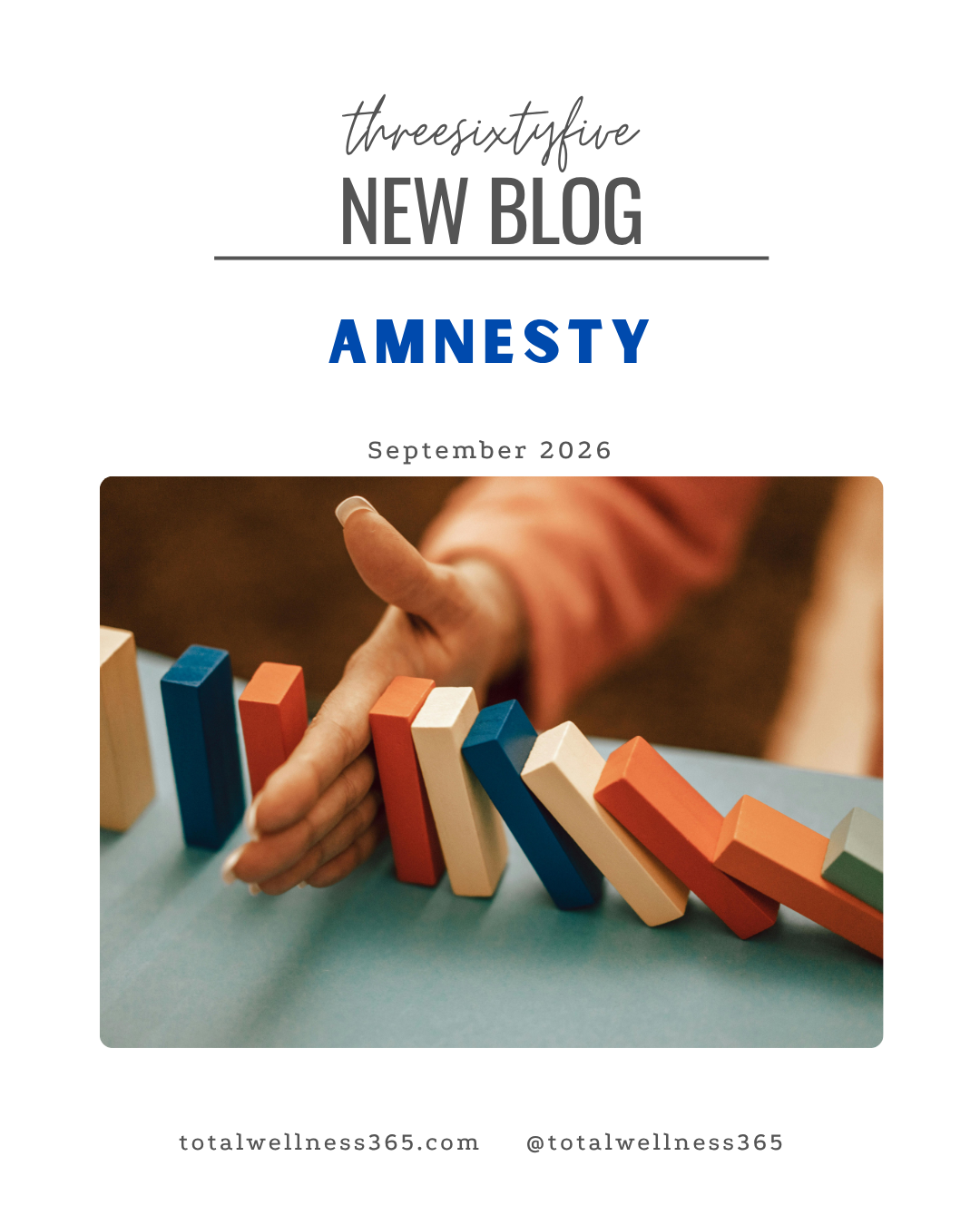
The restart skips the page, which is its function rather than its side effect. What people are asking for when they say fresh start is rarely freshness; it's amnesty, and amnesty delivers, at least through the first three days. There's a real feeling in the setup, in the supplies and the calendar filled in through October, resembling accomplishment closely enough that it gets filed under the same heading. That's the whole transaction, spent by the second week when the plan starts asking for something.
Somebody who has restarted six times is carrying six sets of notes, knowing the exact week it goes, which obligation displaces it first, which excuse works best on her, what time of day the resolve thins out. That's a detailed account of the conditions under which she quits, compiled by the only person with access to them, and it goes unread. Reading it costs something, while starting over is right there. So the same plan gets attempted at higher production value each time, though the failure point never moves, having never once been addressed. It gets stepped over, six times, by someone who could describe it in detail.
Continuing looks worse than starting, being less clean and considerably less satisfying.
You pick it up mid-sentence on an unremarkable Tuesday, in whatever condition it was left in, with half a week logged and a coffee ring on the page and no sense that anything has been settled. There's nothing to announce. Most of what holds is assembled out of days like that, which is part of why they're so easy to skip.
The restart also requires a person who doesn't exist yet, the one who gets up earlier and wants it more and has fewer obligations pressing on her. Continuing only requires the one who's here, which is a lower bar although a much harder sell, because the one who's here is the one who stopped in March, and using her means accepting that she's who you've got.
None of this is an argument against September. Something in the fall does open up, and using it is reasonable. The question is what gets carried across the line, and right now what's being left behind is the information. Every month has a first, and every week has a Monday. The plan will still be there, along with the invitation to begin it again, and nothing in that arrangement has ever required you to look at the page where it stopped.