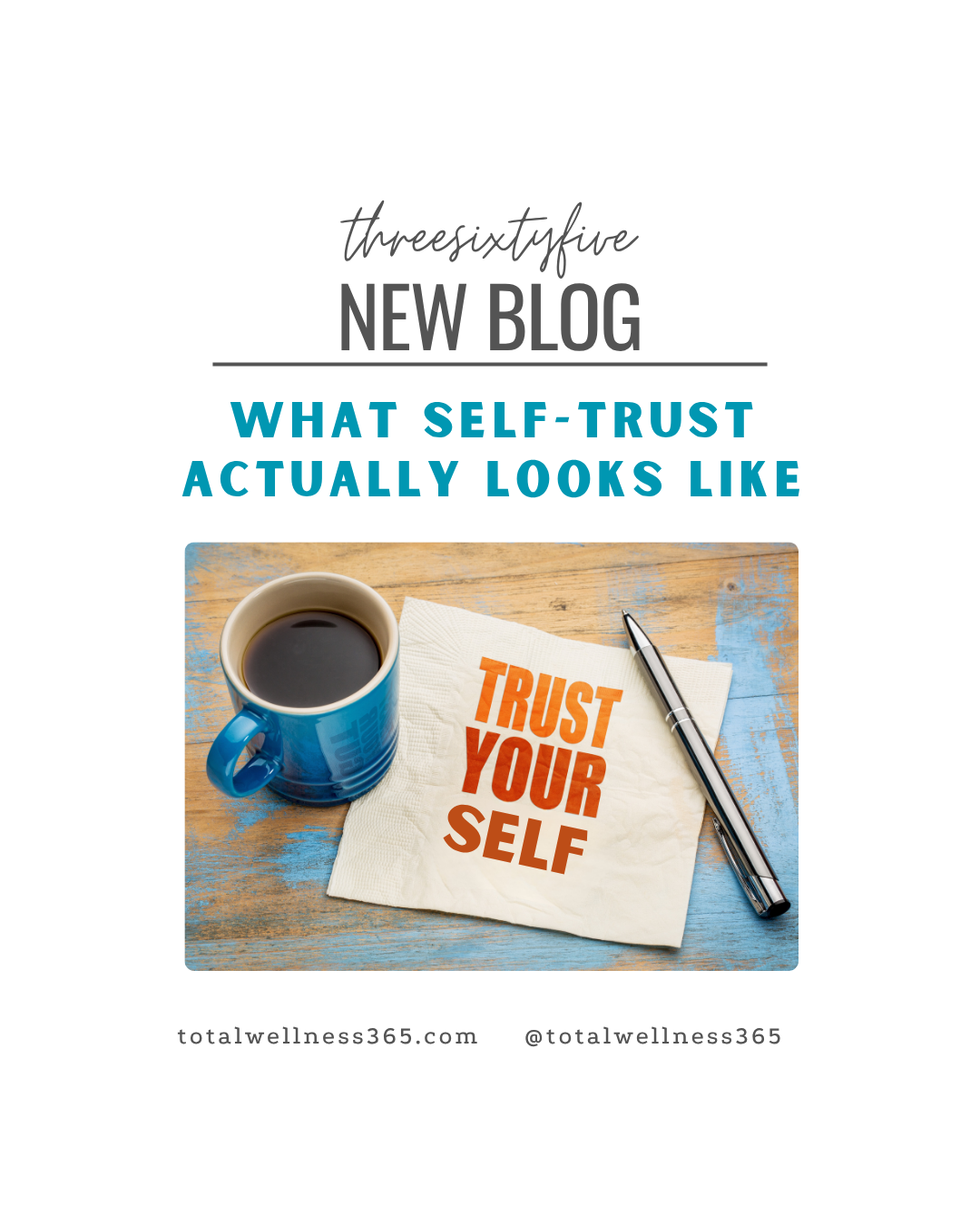
Self-trust gets talked about like it's something you either have or you don't.
You hear it in the language people use. I just don't trust myself. I knew I'd quit. I can't rely on myself to follow through.
It sounds like a personality trait. Something fixed. Something you missed the window for.
It isn't.
Self-Trust Is Built, Not Found
Self-trust is not a feeling you locate inside yourself on a good day. It's evidence you accumulate over time.
Small, specific, kept promises. To yourself. Not anyone else.
When you say you'll do something and you do it — even something small, even imperfectly — you create a receipt. A piece of evidence that you are someone who follows through. Stack enough of those receipts and the story you tell yourself starts to shift.
That's not motivation. That's not mindset. That's how identity actually changes.
Why It Keeps Slipping
Most people set intentions that are too large, too vague, or too dependent on feeling ready first.
I'm going to be more consistent. I'm going to take better care of myself. I'm going to show up differently.
These aren't actions. They're aspirations. And aspirations don't build self-trust — they borrow against it.
Every time an aspiration goes unfulfilled, the story tightens: See? I knew I wouldn't. The gap between who you intend to be and who you're proving yourself to be widens — quietly, consistently.
Closing that gap requires something concrete. Behavioral. Trackable.
What It Actually Looks Like
Self-trust looks like choosing one small action that reflects who you're becoming — and doing it on the days when you feel like it and the days when you don't.
It looks like repairing without drama when you miss a day, instead of restarting from zero.
It looks like building evidence, not chasing motivation.
It's less dramatic than it sounds. That's the point.
An Invitation
This is exactly what The Becoming Method is built around.
A therapy-informed system for people who are self-aware, stuck, and done waiting to feel ready. Not a vision board. Not a vibe. A method — with a workbook, a structure, and a way back when you fall off.
In May, I'm hosting The Practice Workshop — a live virtual half-day intensive where we build this together. You'll leave with your identity anchors named, your behavioral receipts started, and a repair plan already in place.
Spots are limited and filling through the waitlist.
[Join the waitlist here →]
The workbook is also available now if you want to start before May. The free sample takes ten minutes and gives you the whole method in miniature.
This is the work. And you're ready for it — even if it doesn't feel that way yet.